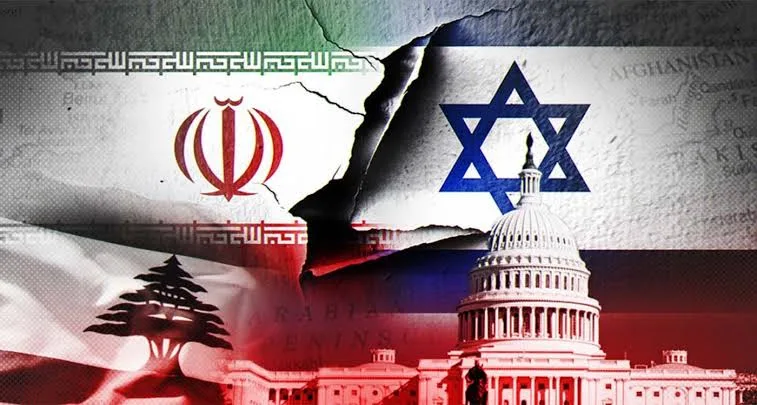
Βrief overview of the ongoing conflict between Iran, the U.S. and Israel.
Since late February 2026, the Middle East has seen a significant escalation in military tensions involving Iran, Israel, and the United States.
Targeted strikes carried out by Israel and the United States against Iranian military infrastructure, including missile sites and command centers, triggered retaliatory missile and drone attacks by Iran against Israeli territory and U.S. assets in the region.
Reports indicate that the confrontation remains ongoing, with several countries increasing military readiness and defensive measures. While the exchanges remain limited and tactical in nature, they have raised growing concerns about regional stability, international security, and possible economic consequences.
Regional dynamics and spillover risks
Although the confrontation began as a direct exchange between Israel and Iran, its effects are increasingly being felt across the region.
In Lebanon, cross-border tensions have intensified along the frontier with Israel. Rocket fire has been linked to Hezbollah, an Iran-backed armed group, raising concerns that the conflict could widen through the involvement of proxy forces.
Elsewhere, countries around the Persian Gulf have stepped up monitoring and security measures amid concerns about the safety of regional military installations and maritime routes.
Particular attention has focused on the Strait of Hormuz, one of the world’s most important energy shipping routes. Any disruption in this area could have significant consequences for global oil supplies and international markets.
Neighbouring states, including Turkey and Cyprus, have also increased precautionary monitoring and airspace alerts as tensions rise across the wider Eastern Mediterranean.
Strategic and economic implications
The confrontation is also having broader economic and geopolitical effects. Oil markets have already reacted to the perceived risk of disruptions to energy supplies, while regional investment and shipping routes face growing uncertainty.
Analysts say the situation highlights the importance of diplomatic efforts and crisis management to prevent further escalation. Monitoring the activities of regional armed groups and maintaining communication channels between governments are seen as key to avoiding miscalculations.
While the situation remains fluid, international actors continue to call for restraint and efforts to reduce tensions.
Overall, the current crisis illustrates the fragile nature of security arrangements in the Middle East. Although the conflict remains limited in scope for now, observers warn that its potential to expand geographically or intensify politically means it will require close monitoring in the coming months.
Timeline and Regional Map Overview
Events (February–March 2026):
| Date | Event | Location | Notes |
| Late Feb | U.S. and Israeli airstrikes | Iran | Targets: missile sites, military infrastructure |
| Early Mar | Iranian missile/drone retaliation | Israel & U.S. bases in Gulf | Tactical response; air defenses active |
| Early Mar | Increased cross-border activity | Lebanon–Israel border | Linked to Hezbollah; risk of wider escalation |
| Early Mar | Heightened alert | Persian Gulf, Turkey, Cyprus | Precautionary military measures; Strait of Hormuz monitored |
Regional Map (Text-Based)
Lebanon
(Rocket attacks)
Israel <——> Iran
(Main confrontation, missile/drone exchanges)
Persian Gulf / Strait of Hormuz
(Energy and maritime risk)
Turkey Cyprus
(Airspace monitoring and alerts)
Key Points:
- Israel–Iran: Central military confrontation
- Lebanon: Proxy involvement (Hezbollah)
- Persian Gulf: Energy infrastructure risk; heightened security
- Turkey & Cyprus: Regional spillover, monitoring, and alerts
